Last updated: November 4, 2026 · By Wander Cambodia
 By Sophea Khim · Host & Editor, Wander Cambodia
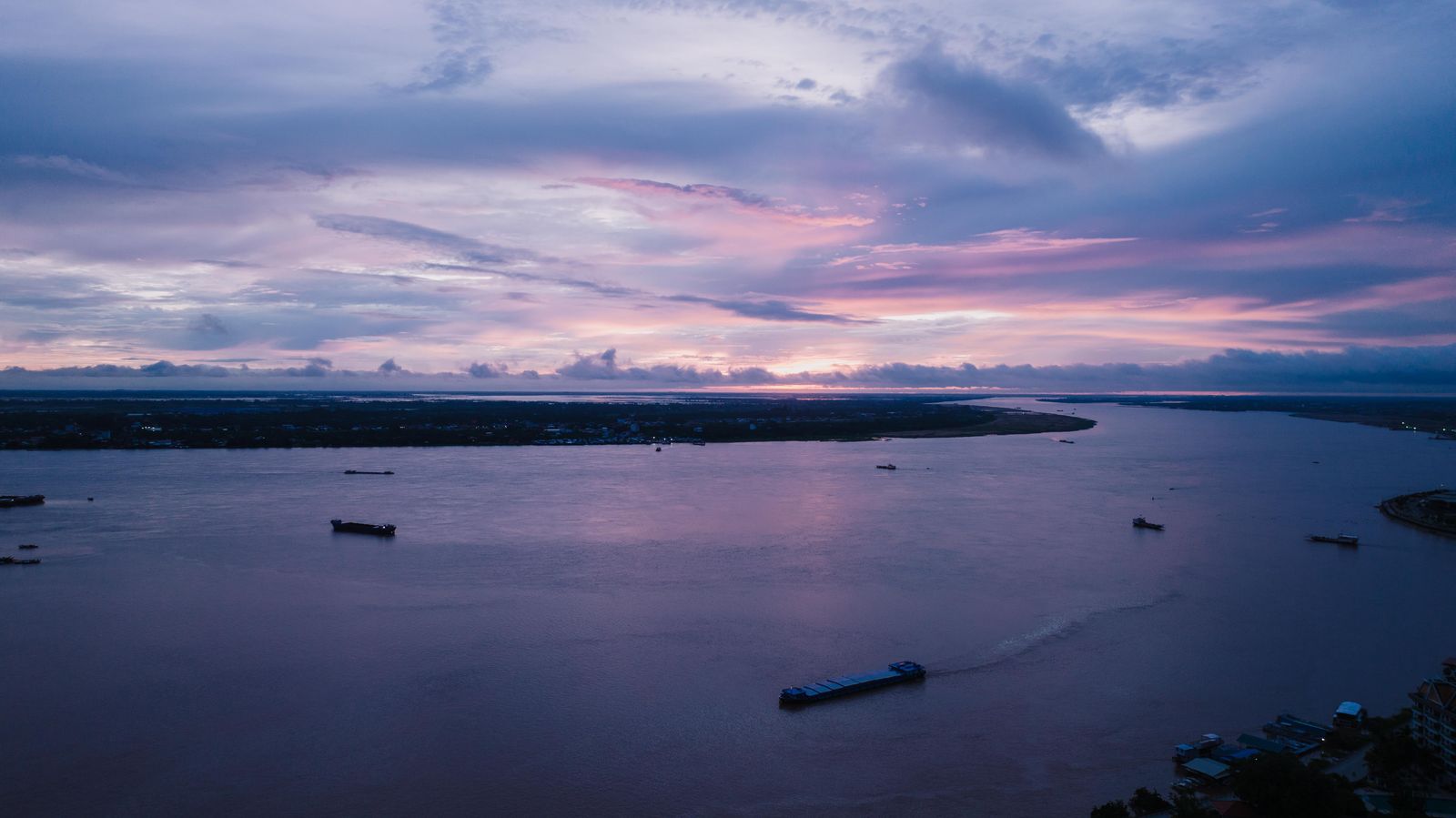
March is the hinge month. The cool dry season is over, the rains are still weeks away, and Cambodia settles into the build toward April — the hottest month of the year. Daytime highs run around 34–35°C in the lowlands, the air stays dry, and the travel pattern that worked in January quietly stops working: March rewards early starts, water, and a slower middle of the day. This guide follows our February and January month guides.
Siem Reap and Angkor: hot and dry, with temple touring now firmly a dawn-and-late-afternoon activity. The best time to visit Angkor Wat advice peaks in importance this month — sunrise starts, a long shaded lunch, and the non-consecutive days of a 3-day or 7-day pass (prices in our Angkor Pass cost answer) used exactly as designed. Phnom Penh: the year's heat builds first in the city; riverfront evenings stay the best hours of the day. The south coast and islands: March is the last reliably settled month before the sea state turns — still good ferry weather, warming water, and thinner crowds than February on Koh Rong and Koh Rong Sanloem. The northeast: Mondulkiri's highlands stay the coolest corner of the country and earn their detour this month; waterfalls run at their lowest everywhere.
Late dry season in mainland Southeast Asia is burning season, and some March days — more in the north, fewer on the coast — carry a visible haze and poorer air than the postcard months. It rarely cancels anything, but it softens long views, takes the edge off sunrises, and matters if you have asthma or are travelling with small children. The practical response is flexibility, not alarm: keep the big-view days movable, prefer the islands and the highlands when a hazy stretch sets in, and carry a decent mask for city traffic days. Anyone whose trip is built around photography should know March light is harsher at noon and hazier at the edges than January's — another reason the golden hours carry the month.
Run the classic loop with the heat edits applied. Siem Reap first, while your energy is freshest, on the 14-day itinerary trimmed to your days: temples at dawn, the town and the pool in the middle of the day, one evening circuit late. Then Phnom Penh for two days run early-and-late — museums and markets in the morning, the riverfront after five. Finish in the south before the seas change: the expressway run in our Phnom Penh to Sihanoukville guide, islands for the last nights, and Kampot on the way back if the days allow. Paperwork stays boring: the $30 tourist eVisa (or the $35 Ordinary entry if you might stay on), and the free e-Arrival card in the week before you fly.
March is where high-season pricing starts to bend. The Christmas-to-February ceiling is gone; outside any holiday weekend, two weeks' lead time secures most rooms, and longer stays start negotiating again. What does not get cheaper is your own comfort budget: air-conditioning stops being optional, cold water becomes a line item, and the heat makes the mid-range room with a pool worth more than the saving on the fan room. Travellers continuing into April should also know that Khmer New Year falls in mid-April — domestic travel surges, transport books out, and many businesses close for days. If your trip straddles it, book the April legs in March, not on arrival. Heat is also a health line, not just a comfort one: our travel insurance answer covers why medical cover matters more, not less, when the temperature does the damage.
March packing is February packing with the dial turned up: the lightest breathable clothes you own, a hat that shades your neck, serious sunscreen, electrolytes for temple days, and a dry bag habit for sweat as much as rain. The full reasoning — and the items that cost double if you buy them here — is in buy before you fly; our tested picks for sunscreen and electrolytes were chosen for exactly this weather.
Honestly: March is not the month for cool temple days, full waterfalls, or the Tonle Sap at its mighty best, and photographers chasing January's clear dawns will find the light less kind. It is the month for travellers who like the country emptier, cheaper and warming up — and who are willing to let the heat, not the clock, set the shape of the day.
Weather figures are long-term March averages for Cambodia's lowlands, checked November 2026. Khmer New Year falls in mid-April 2027 — confirm the exact public-holiday dates before booking April travel.
Yes, with heat management. It is dry and the islands are still settled, but daytime highs run around 34–35°C — plan temples and cities for early mornings and late afternoons, and take the middle of the day slowly.
Daytime highs average around 34–35°C in the lowlands, climbing toward April, the hottest month. Nights stay warm. The northeast highlands around Mondulkiri are noticeably cooler.
Some days, especially in the north — late dry season is the regional burning season. It rarely cancels plans but softens views; keep big-view days flexible and head for the coast or highlands in a hazy stretch.
One short email a week with what actually changed on the ground — no fluff, no spam.
Free forever · One email a week · Unsubscribe anytime
Visa rule changes, the best travel deals we find, and new guides — once a week, no spam.
Free forever · Unsubscribe anytime
 Wander Cambodia