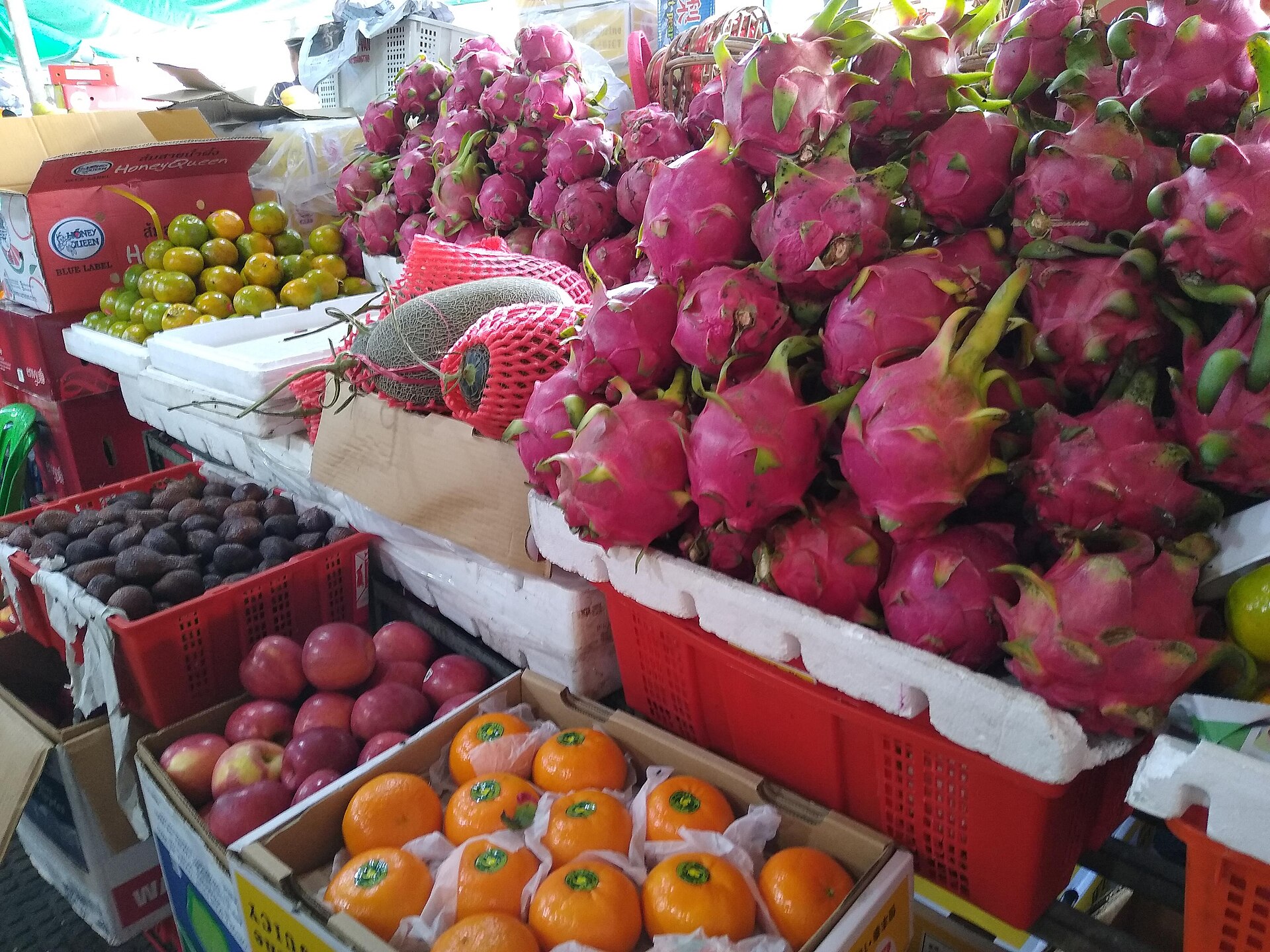
A short shopping list that saves real money. Some everyday things cost two or three times more in Cambodia, some barely exist outside the big cities — and a few are worth buying at home simply because the local version isn't the real thing.
Last updated: October 19, 2026
Here's the basic problem: Cambodia imports most of its branded consumer goods, and it shows on the shelf. Travelers regularly pay double or triple the home price for imported basics, find whole product categories missing in smaller towns, and run into counterfeit versions of big-name brands in local shops. None of it will ruin a trip — but a little packing foresight avoids the markup, the fakes, and the small-town pharmacy hunt. Once your paperwork is sorted (visa, plus the free e-Arrival card), this list is the other half of getting ready.
Packing in a hurry? These five earn their place in every bag:
None of this needs a second suitcase. Almost everything below is small, light or wearable on the plane — the list is really about timing, not volume. Buy these few things while they're cheap and genuine, and everything else on a Cambodia trip is easy to sort out once you're there.
Cambodia sits close to the equator and the sun is strong all year. Imported sunscreen brands in local shops carry a heavy markup, and counterfeit versions of big-name brands are common — a fake bottle is worse than none at all. Bring a full supply of a brand you trust, and go reef-safe if you'll be swimming around the islands.
 → Read our full review: the sunscreen we'd pack for Cambodia
Mosquitoes are a year-round fact of life in Cambodia, and dengue fever is a genuine risk. Local repellents tend to be low-concentration sprays that wear off fast. Pack a proper DEET or picaridin repellent — it's the version that actually keeps the bites, and the itchy evenings that follow, away.
 → Read our full review: the repellent that survives the tropics
Pads are sold everywhere in Cambodia, but tampons are a different story: scarce, pricey, and mostly limited to big-city supermarkets in Phnom Penh and Siem Reap. If tampons are what you use, bring the whole trip's supply — smaller towns and the islands won't save you.
Only a limited range of brands makes it onto Cambodian shelves, and prices are high. If you wear contacts, bring your full supply of solution — plus spare lenses — rather than counting on finding your brand once you're there.
Bring the full trip's supply of any prescription medication, plus a small buffer in case travel plans slip, and keep it all in the original packaging. Pharmacies in the big cities are good, but the exact drug or dosage you take may not be stocked — and mid-trip is the wrong time to experiment with a substitute.
Heat, long travel days and the occasional unhappy stomach make electrolytes genuinely useful in Cambodia. The sachets weigh almost nothing and they are available locally too — but having a few from day one means the first rough morning doesn't have to start with a pharmacy run.
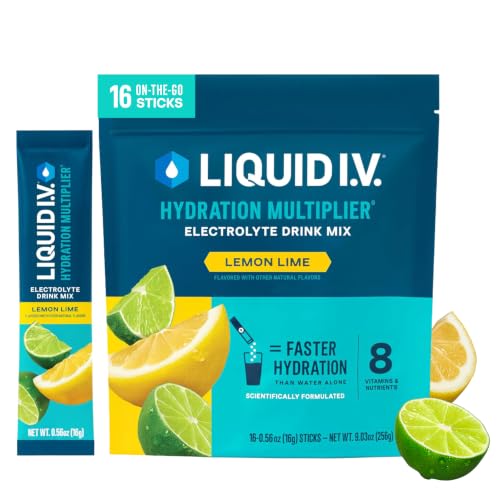 → Read our full review: the best electrolytes for Cambodia
Island ferries, boat trips to floating villages and wet-season downpours all put your phone, camera and passport one splash away from trouble. Dry bags sold locally are often thin and leak at the seams. A decent roll-top dry bag bought at home is cheap insurance for everything inside it.
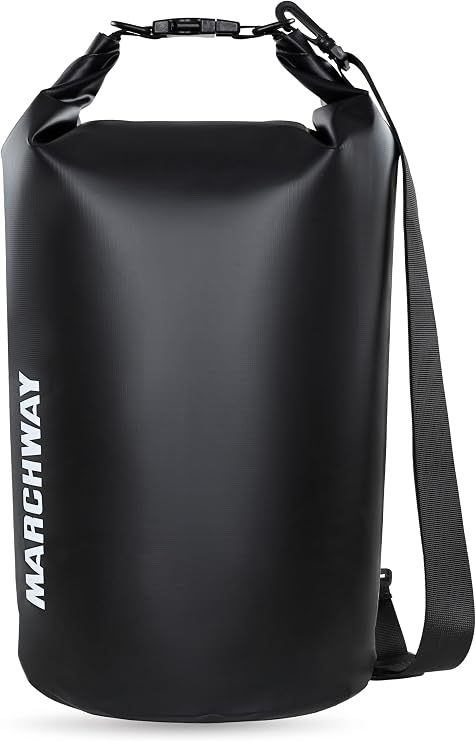 → Read our full review: the best dry bag for boats, rain & river crossings
A bottle with a built-in travel filter means safe water wherever you are, fewer plastic bottles bought, and no hunting for a refill station at the wrong moment. It earns its keep fastest on long bus days, temple days and island stays, where good water isn't always within reach.
 → Read our full review: the filter bottle that makes any tap safe
Cambodia's rough roads, dusty tuk-tuk rides and boat transfers punish cheap zips and thin fabric — and market bags bought locally have a habit of splitting mid-trip. Arrive with one solid bag you trust. It's the foundation everything else rides in, and replacing it on the road is a hassle nobody needs.
 → Read our full review: the best travel backpack for Cambodia
In a humid climate you'll be living out of your bag, and compression packing cubes keep clean clothes clean, damp clothes separate, and repacking fast when you're moving every few days. Small, light, cheap — and they make a chaotic bag feel organised.
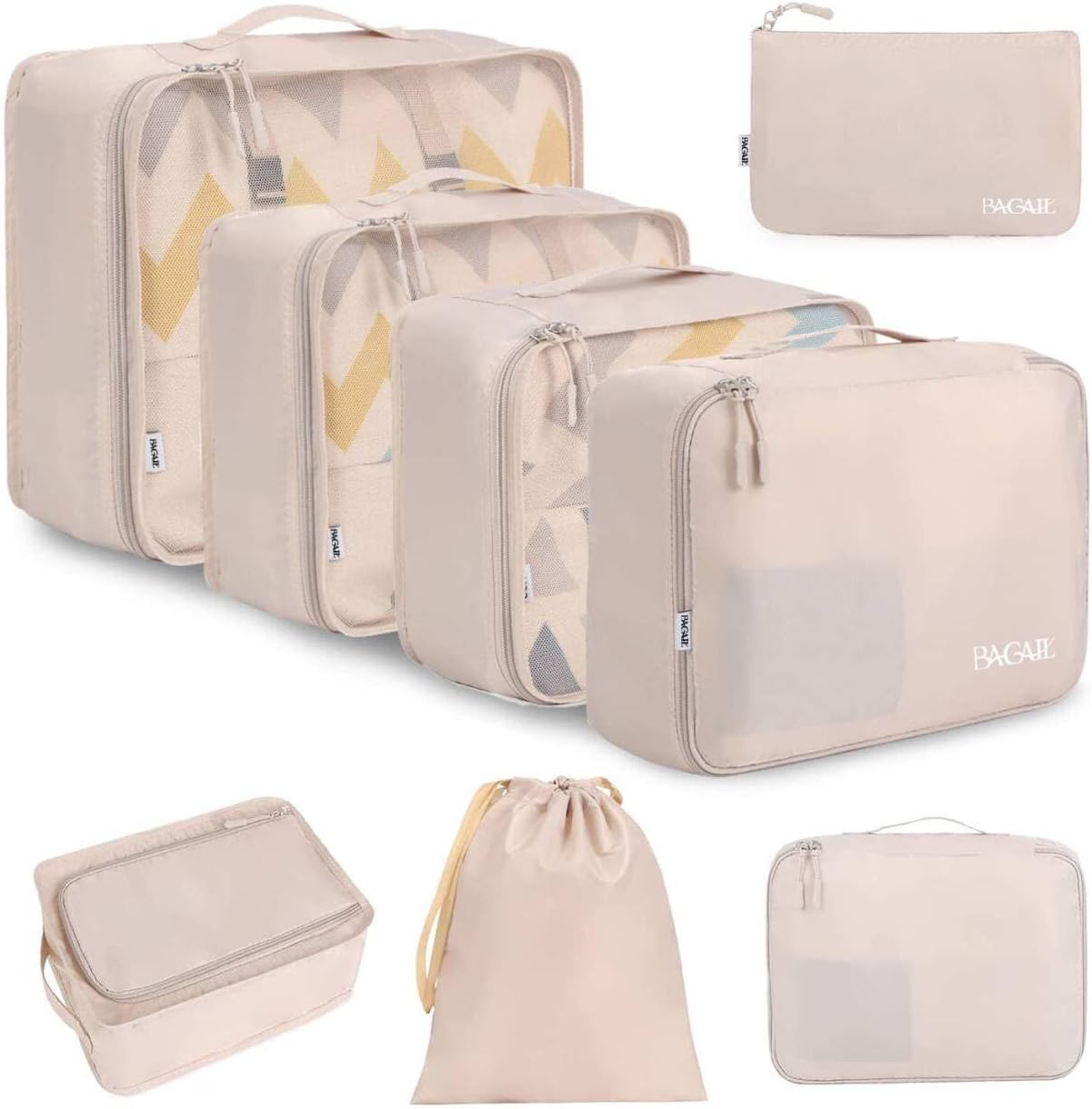 → Read our full review: the best packing cubes for Cambodia
Cambodia uses plug types A, C and G at 230V, and sockets vary from hotel to hotel. Most phone and laptop chargers are dual-voltage, so travelers usually need only a simple plug adapter, not a converter. US travelers especially should pack one — then you're covered in every room you plug into.
 → Read our full review: the best travel adapter for Cambodia
Plain cotton holds sweat and stays damp in Cambodia's humidity. Linen and modern moisture-wicking fabrics dry fast, feel cooler against the skin, and survive daily washing. A few light, breathable layers will serve you far better than a suitcase full of heavy t-shirts.
Angkor's temples and working pagodas require shoulders and knees covered — the rule is enforced, and turning up in shorts can mean buying an overpriced wrap at the gate or missing the temple altogether. A light scarf or shawl kept in your day bag solves it at every site, and doubles as sun cover.
The wet season runs roughly May to October, and when it rains, it pours — usually in short, dramatic bursts that flood the street and then vanish. A light, packable rain jacket keeps you moving instead of sheltering in a café doorway for an hour.
Plenty of things are cheaper or easier to sort out after you land. Save the space:
Yes — pharmacies and supermarkets in Phnom Penh, Siem Reap and other cities stock it. Just expect import prices and a narrower range, and check carefully that what you're buying is a genuine branded product rather than a lookalike.
In Phnom Penh and Siem Reap supermarkets, sometimes — stock comes and goes. In smaller towns and on the islands, effectively no. If you rely on them, the safe move is to pack the full supply for your trip.
Cambodia uses types A, C and G at 230V. Many sockets accept more than one shape, but a small universal adapter removes the guesswork. Most modern chargers are dual-voltage, so an adapter — not a converter — is all most travelers need.
Don't drink Cambodian tap water straight from the tap. A filter bottle designed for travelers makes it safe to drink in practice for most travelers — and bottled water and cheap refill stations are everywhere if you'd rather use those.
That's the shopping sorted. For the paperwork side — visas, insurance and money — head back to the Plan Your Trip hub, or run the 30-second before-you-go checklist on the homepage.
One short email a week with what actually changed on the ground — no fluff, no spam.
Free forever · One email a week · Unsubscribe anytime
Visa rule changes, the best travel deals we find, and new guides — once a week, no spam.
Free forever · Unsubscribe anytime
 Wander Cambodia