Cambodia doesn't require travel insurance to let you in — nobody checks a policy at the visa counter. But of everything on your pre-trip list, this is the one purchase that can save you from a genuinely trip-ending bill. Here's what Cambodia travel insurance actually needs to cover, the clause that catches more travelers than any other, and the policy we'd shortlist first on a budget.
Last updated: October 19, 2026
Yes, you need travel insurance for Cambodia — not because the government demands it, but because serious medical care here often means a private clinic and an evacuation flight to Bangkok or Singapore, and those bills land on you in full without a policy. Two things matter more than everything else combined: medical evacuation cover of at least $100,000, and the motorbike clause — most policies only cover bike accidents if you hold a valid license for that class of bike and wear a helmet. Get those two right and the rest is detail.
Cambodia is a wonderful place to travel and a rough place to have a medical emergency. The honest picture:
None of this is a reason not to come. It's a reason to spend half an hour on a policy before you fly, rather than reading policy fine print from a clinic waiting room.
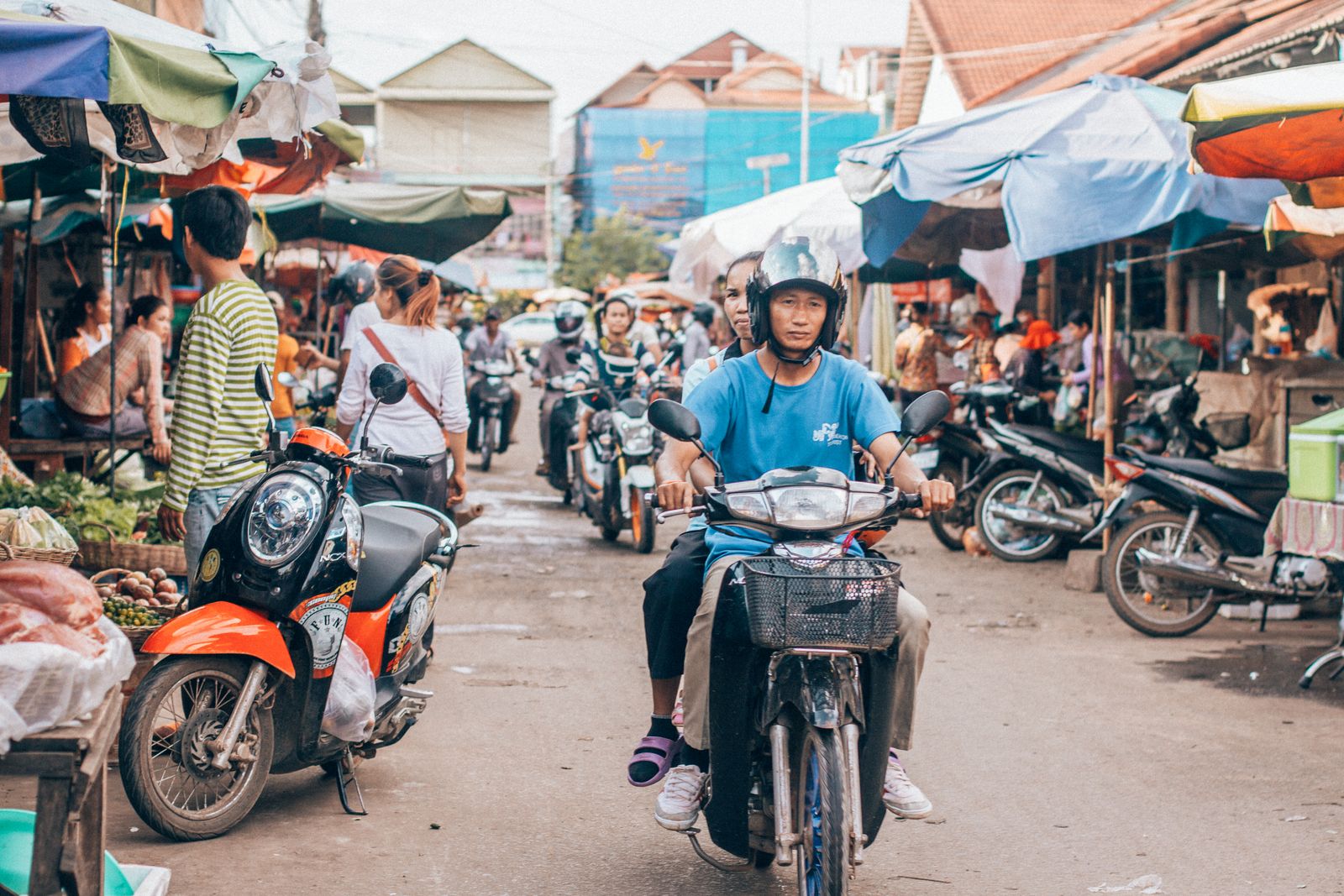
Riding is the number-one way travelers get hurt in Cambodia. Bikes are how everyone gets around — rented scooters in Siem Reap, motos in the provinces, a friend's spare bike in Kampot — and the traffic does not follow the rules you learned at home. Crashes are common, and gravel rash is the souvenir nobody wants.
Here's the trap: many policies quietly exclude motorbike accidents, or cover them only under conditions most riders don't meet:
And Cambodia's on-the-ground reality makes the trap easy to fall into. Rental shops will hand over keys with no license check at all, and Cambodian rules don't require a local license for small bikes up to 125cc, so nothing stops you riding. But when a claim lands, the insurer doesn't ask what the rental shop allowed — it reads the policy wording. If you plan to ride, check the motorbike clause before you buy, and ride with the license and helmet the policy demands. If you won't ride at all, this matters less — but be honest with yourself, because "just this once" on a borrowed bike is exactly how the trap springs.
Whatever provider you choose, a Cambodia policy should have these covered. In rough order of importance:
Based on our research, the policy we'd shortlist first for most Cambodia trips is SafetyWing Nomad Insurance — especially if you're staying a while or your plans are open-ended. The reasons are practical:
Honest note: we're finalizing our affiliate arrangement with SafetyWing, so there's no booking link on this page yet — one will be added here when it's live, and this page will only ever recommend policies we'd point family at. In the meantime, SafetyWing is easy to find directly.
Worth a look for comparison, depending on your trip style: Heymondo (app-based claims and no excess on many plans) and World Nomads (strong activity coverage for adventure-heavy trips). Any of the three, bought with the checklist above in hand, beats the cheapest no-name policy bought blind.
Short trip (a few weeks): any solid travel policy with $100,000+ evacuation cover and medical cover does the job. If you'll rent a scooter — and in Siem Reap or the islands, you probably will — the motorbike clause is your deciding factor between policies.
Long stay (a month or more): look at subscription-style cover that doesn't force an end date, so you aren't re-buying policies mid-stay. Our visa extension guide covers staying legal; insurance covers staying solvent. You need both.
Future expat or retiree: travel insurance is your bridge, not your destination. Start with a travel policy that has strong evacuation cover from day one, then review dedicated expat health insurance once you're settled. The ER retirement extension doesn't require proof of insurance — but retiring here without any is betting your savings against one bad afternoon.
No. Cambodia does not currently require proof of travel insurance to enter the country or to get a visa. That doesn't make it optional in any practical sense: without it, a serious accident means paying private hospital bills — and possibly an evacuation flight — entirely out of your own pocket.
Only if you meet the policy's conditions. Most insurers cover motorbike accidents only when you hold a license valid for that class of bike, wear a helmet, and aren't riding under the influence. Miss one condition and the claim can be denied in full — which is why the motorbike wording is the single most important clause to read before you buy.
Look for at least $100,000 of medical evacuation and repatriation cover. Serious cases are routinely evacuated to Bangkok or Singapore, and a dedicated air ambulance on that route can cost tens of thousands of dollars before hospital treatment is even counted.
Sometimes. Most traditional policies must start before you leave home, but a few providers — SafetyWing is the best-known — let you start cover while you're already abroad, which suits long trips and open-ended stays. Check for waiting periods before cover kicks in, and never assume you can buy your way out of an accident that has already happened.
Generally yes — illness is core medical cover. Outpatient visits and inpatient hospital stays for things like dengue, infections and severe food poisoning are covered by standard policies, minus any excess. Keep every receipt and report: insurers reimburse against paperwork, not stories.
It's a good bridge, not a finish line. Travel insurance is built for trips, so long-stay retirees often start with a travel policy that includes strong evacuation cover, then review proper expat health insurance once they're settled. The ER retirement extension itself has no insurance requirement — but arriving without any cover is a gamble with Bangkok-sized bills.
Sorting out the rest of your arrival? Head back to Plan Your Trip for the full set of guides, or start from the homepage checklist.
One short email a week with what actually changed on the ground — no fluff, no spam.
Free forever · One email a week · Unsubscribe anytime
Visa rule changes, the best travel deals we find, and new guides — once a week, no spam.
Free forever · Unsubscribe anytime
 Wander Cambodia