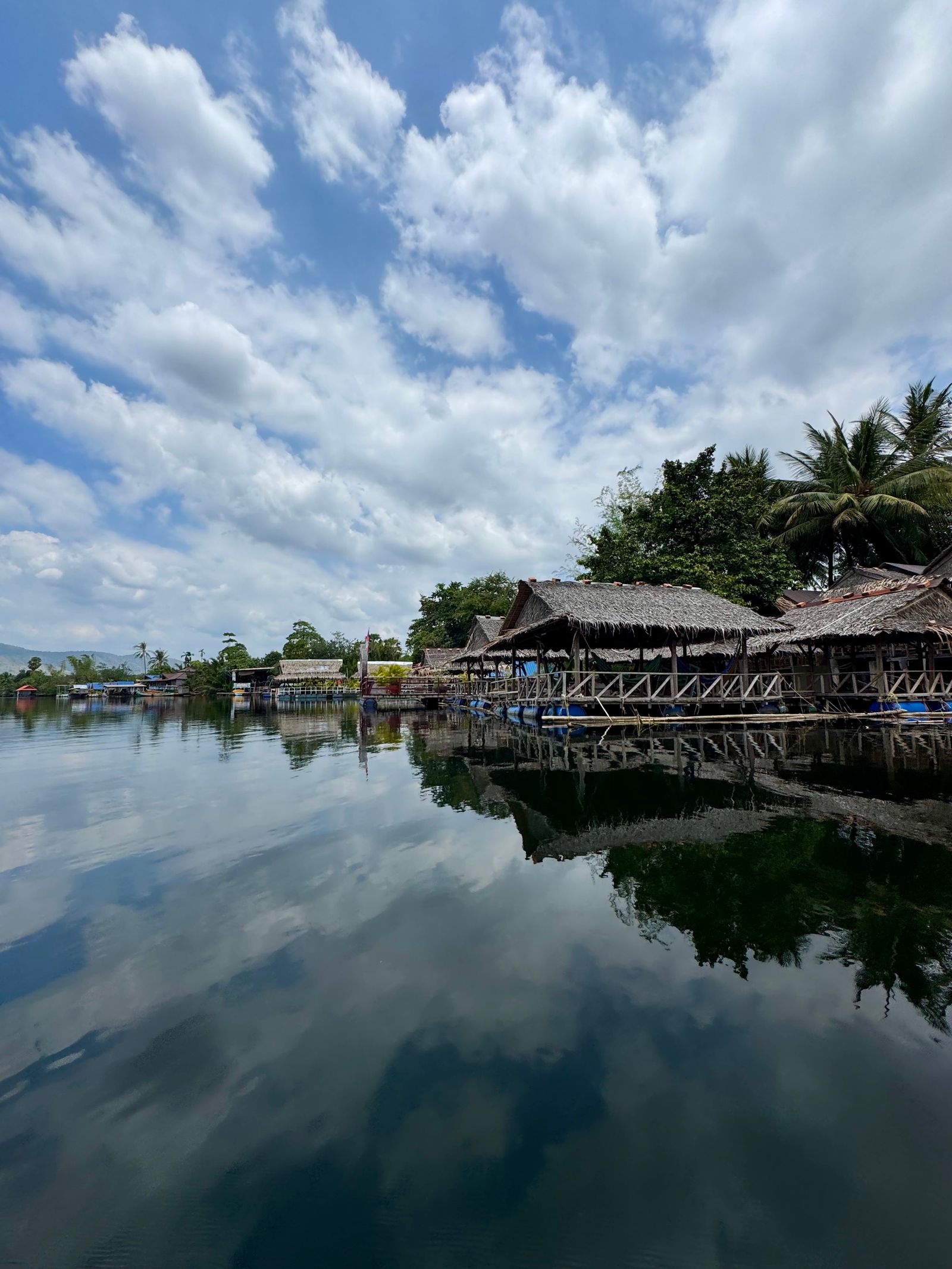
Kampot is where Cambodia slows down: a faded, handsome riverside town famous for the world's most protected pepper, with a haunted French hill station above it and the crab shacks of Kep half an hour down the coast. Nothing here is rushed and nothing needs to be. This guide lays out the pepper farms, Bokor, Kep and the practicalities — including the lovely old train that gets you there.
Last updated: October 19, 2026
Base yourself in Kampot for 2–4 nights and treat Kep as a day trip (or one quiet night). Spend one day in the countryside on the pepper farms — at La Plantation the self-guided visit is free and the guided tour is about $5 — one day up Bokor Hill Station for the abandoned casino and cool mountain air, and one day in Kep, 25 km away, for crab at the market and the Kep National Park loop. The once-daily train from Phnom Penh (about $10, 3 hrs 40 min) is the nicest way in; buses are faster and more frequent. Stay on or near the Kampot riverside.
Kampot's centre is a grid of French-era shophouses — some restored, some picturesquely crumbling — arranged along the Teuk Chhou River. The town's social life happens on the riverside promenade: sunset drinks, locals fishing off the bank, and boats heading out on evening cruises (some sold as firefly cruises; the fireflies are weather-dependent and nobody honest guarantees them).
Kampot pepper is not a marketing label — it is a protected origin, the first Cambodian product to receive EU geographical-indication status (in 2010), grown in the soil between the sea and the Elephant Mountains and traditionally sun-dried. Chefs prize it for a slow-building, almost floral heat. The industry was nearly destroyed under the Khmer Rouge and has been rebuilt farm by farm since the 2000s.
Looming over Kampot is Bokor Mountain, and at its summit — about 1,050 metres up, reached by 32 km of paved switchbacks — sits one of Cambodia's strangest sights. In the 1920s the French built a hill station here to escape the lowland heat: the grand Bokor Palace Hotel and casino, a church, a post office. Abandoned twice — during the independence wars and again under the Khmer Rouge, who held it to the end — the empty, weather-stained palace became famous as a modern ruin.
Kep was Cambodia's fashionable seaside resort in the 1950s–60s, was largely abandoned during the Khmer Rouge years, and has settled into being a sleepy fishing town with one famous meal. It sits about 25 km from Kampot — 30 to 45 minutes on a paved road.
| Route | Option | Time | Typical cost |
|---|---|---|---|
| Phnom Penh → Kampot | Royal Railway train (once daily, dep 7:00am) | ~3 hrs 40 min | ~$10 |
| Bus / minivan (several companies, all day) | ~2.5–3.5 hrs | ~$7–10 | |
| Private taxi | ~2.5–3 hrs | ~$60 | |
| Kampot → Kep | Tuk-tuk (one way) | ~30–45 min | ~$8–12 |
| Tuk-tuk hired for a Kep day | — | ~$20–25 | |
| Rental scooter | ~30 min | ~$5–7/day |
The Royal Railway southern line deserves a special mention: one train a day each way links Phnom Penh, Kep, Kampot and Sihanoukville, in modern air-conditioned carriages, at a pace that lets the countryside do the entertaining. Current timings have the southbound train leaving Phnom Penh at 7:00am, Kep at about 10:20am and Kampot at 10:40am; the return leaves Kampot at 4:00pm, reaching Phnom Penh at 8:00pm. Tickets run around $10 to Kampot and are sold at stations and online a few days ahead; in high season the train does fill, so book a day or two early — and don't build a tight connection on it, as arrival times drift. Coming from the capital and not sure what else to do there? Our Phnom Penh guide pairs neatly with this trip.
Continuing to the coast? Sihanoukville — the ferry port for the islands — is the train's next stop after Kampot, and in high season speedboats also run from Kampot's pier to Koh Rong and Koh Rong Sanloem (schedules come and go; check locally). Our Koh Rong and Koh Rong Sanloem guide covers the island choice honestly, and Getting Around has the route-by-route transport picture.
Three to four days is the sweet spot: a countryside day for a pepper farm and the salt fields, a day for Bokor, and a day for Kep's crab market and national park, with Kampot's riverside evenings in between. Two days works if you combine Kep with the pepper farm run. One day means picking a single highlight — most people choose the pepper farm plus Kep.
The Royal Railway southern line runs once a day: the train leaves Phnom Penh at 7:00am and reaches Kampot at about 10:40am (return from Kampot at 4:00pm), and tickets cost around $10. Buses and minivans are faster and far more frequent — roughly 2.5 to 3.5 hours and $7–10. A private taxi runs about $60. Book train seats a day or two ahead in high season; it does fill up.
The self-guided visit is free — you can walk the pepper plots and taste at the shop without paying anything. The guided tour, which explains the growing and grading and ends with a proper tasting, costs about $5 per person at the farm. Prices checked October 2026; you will also need transport — La Plantation is about 30 minutes from Kampot town, and countryside tuk-tuk tours bundle it with the salt fields and Secret Lake for roughly $15–25.
Kep is about 25 km from Kampot — 30 to 45 minutes on a paved road. A tuk-tuk costs roughly $8–12 one way, or hire the driver for a Kep day at $20–25; rental scooters run about $5–7 a day. The Phnom Penh–Sihanoukville train also stops at Kep station, a few kilometres from the crab market.
Kampot pepper is a protected-origin product — the first Cambodian product to receive EU geographical-indication status (2010) — grown in mineral-rich soil between the sea and the Elephant Mountains and finished with traditional sun-drying. It is known for a slower, more floral heat than ordinary black pepper. The industry was nearly wiped out under the Khmer Rouge and has been rebuilt since the 2000s. Buy sealed, certified bags from farms or reputable shops; loose “Kampot pepper” at a fraction of the farm price usually is not the real thing.
November to February brings the coolest, driest weather. The salt fields operate in the dry season (roughly January to May) and the pepper harvest runs about February to April. Bokor makes its own weather — mist can close the views in any month, though the Popokvil waterfall runs best after rain. May to October is greener, quieter and wetter.
Heading for the islands next? See our Koh Rong & Koh Rong Sanloem guide, or browse the Places hub for the rest of the country.
One short email a week with what actually changed on the ground — no fluff, no spam.
Free forever · One email a week · Unsubscribe anytime
Visa rule changes, the best travel deals we find, and new guides — once a week, no spam.
Free forever · Unsubscribe anytime
 Wander Cambodia