Khmer food is not “Thai food, but less spicy.” It has its own logic — fermented prahok for depth, kroeung curry pastes for aroma, Kampot pepper for warmth, and a balance of sour, salty and sweet in almost every meal. This guide gives you the dishes to look for first, how markets and street stalls work, and how food fits into a trip through Phnom Penh, Siem Reap and Kampot.
Last updated: October 26, 2026
 By Sophea Khim · Host & Editor, Wander Cambodia
Order these first: fish amok, beef lok lak, kuy teav for breakfast, green mango salad, and grilled river fish. Eat street food where it is cooked to order in front of a crowd. In Kampot, add a pepper-farm visit; in Kep, crab with Kampot pepper. Pair this page with our Phnom Penh guide and Kampot & Kep guide.
A gentle steamed curry of river fish, coconut milk and kroeung, set like a mousse and served in banana leaf. If you only eat one “national dish,” make it this one — and eat it in Siem Reap after a temple day or at a riverside table in Phnom Penh.
Cubes of beef seared and served over raw onion and tomato with a lime-and-Kampot-pepper dipping sauce, rice, and often a fried egg. Simple, peppery, and the dish many visitors order twice.
Cambodia's breakfast: a clear, pork-based noodle soup with herbs, bean sprouts and your choice of additions. Join the morning crowd, customise with the condiments on the table, and do not expect it to taste like pho — it is its own thing.
Sour, crunchy mango salad (often with dried or fresh fish) alongside whole grilled fish from the Tonlé Sap and Mekong systems shows the river at the heart of Khmer cooking — the same river system celebrated at Bon Om Touk, the Water Festival.
Down in Kep, crab fried with fresh green Kampot peppercorns is the south coast's signature plate. Our Kampot & Kep guide covers the crab market and pepper farms together for a reason — do both in one day.
Book a Kampot pepper-farm tour →
Affiliate link — we may earn a commission at no extra cost to you.
A Phnom Penh or Siem Reap street-food tour on your first evening is the fastest way to learn what you like, in places you would walk past alone. Cooking classes in Siem Reap pair well with a rest day on a 7-day itinerary. In the south, pepper-farm tours explain why Kampot pepper carries a protected geographical indication and a premium price at home.
See Phnom Penh food & city tours on Klook →
Affiliate link — we may earn a commission at no extra cost to you.
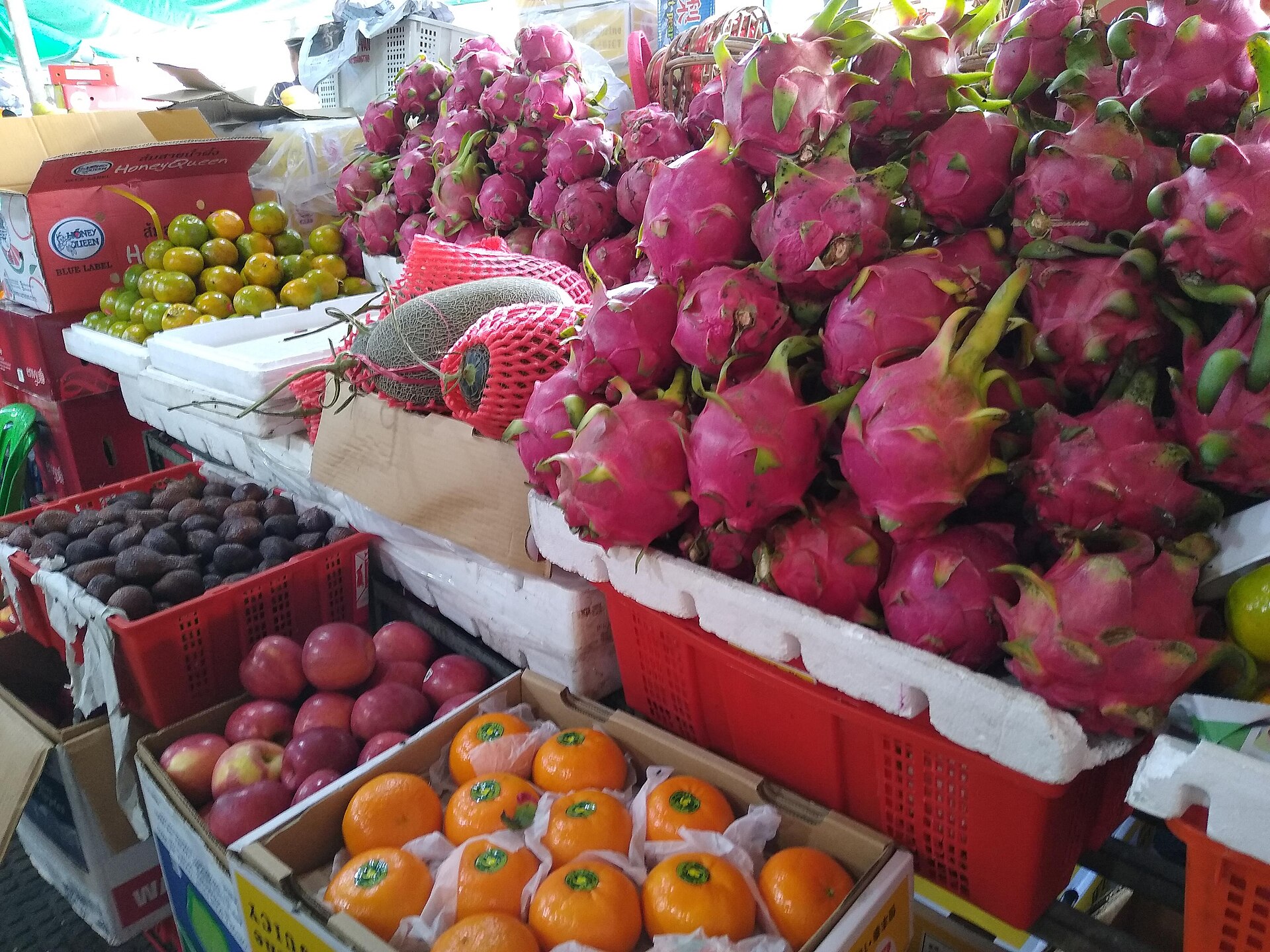
Finish meals with fresh fruit and palm-sugar desserts rather than hunting for a Khmer “dessert menu” — sweets often live at market stalls. To take the flavours home, Kampot pepper and a Khmer cookbook are the buys that actually get used; both are in our buy before you fly thinking in reverse: buy these here, where they are fresh and fairly priced.
Phnom Penh is where Khmer cooking meets a capital's range: old-market kuy teav shops at dawn, French-influenced bakeries from the colonial era, and riverside restaurants serving river fish every way there is. Use the capital to learn the core dishes in comfortable settings first. Siem Reap adds the temple-town table — amok is everywhere, quality varies, and the places full of Cambodian families rather than tour groups are the tell. Ask your tuk-tuk driver where he eats lunch; that answer has never once been a tourist restaurant, and it has rarely been wrong. Battambang, up in the rice bowl, is famous inside Cambodia for the quality of its produce and its oranges, and its café scene makes it the easiest small city to eat well in without trying. Kampot and Kep own the pepper-and-seafood corner described above, and the road between them is lined with salt fields and fruit stalls in season — durian signs appear when the famously divisive fruit is ripe, and if you have never tried it, a small piece at a Kampot stall, chosen by the seller, is the fairest introduction it gets.
Cambodian iced coffee — strong, sweet, and poured over a glass full of ice — is the national pause button, and sugarcane juice pressed at market stalls is its daytime rival. Fresh coconut, drunk straight and then scraped, is the temple-day hydration that actually tastes like something; pair it with the water habits in our health notes rather than replacing them. For sweets, look to the market: palm-sugar cakes, sticky-rice parcels in banana leaf, and num ansom (sticky rice cakes) around festivals carry more tradition than any restaurant dessert menu. A few manners help everywhere: point and smile works in any language, a small thank-you — orkun — lands warmly, bills at local stalls are tiny so carry small riel and dollar notes, and photographing a cook's hands at work is fine after a gesture of asking, not before.
Khmer cooking uses fish sauce and prahok the way other cuisines use salt, so “vegetarian” needs one extra sentence everywhere: ask for dishes made without fish sauce and without prahok, and lean on the Buddhist-influenced vegetable curries, green mango and banana-blossom salads, and market fruit that make eating well without meat entirely possible. Around pagoda festivals, dedicated vegetarian stalls appear and are worth seeking out. Cautious stomachs should follow the turnover rule strictly for the first two days, peel fruit themselves, and save the adventurous raw dishes for later in the trip — a plan our safety guide and packing pages support with the unglamorous essentials: a filter bottle, electrolytes, and insurance that covers a clinic visit if a bad meal turns serious.
Fish amok — a steamed fish curry in coconut milk and kroeung (lemongrass, turmeric, galangal and kaffir lime paste), traditionally served in a banana-leaf cup — is the dish most often named as Cambodia's national dish. Prahok, the fermented fish paste, is the flavour base underneath much of Khmer cooking.
Generally less fiery than Thai food. Khmer cooking leans aromatic and balanced — sour, salty, sweet and herbal — with chilli often served on the side so you control the heat. Kampot pepper adds warmth rather than burn.
Start with fish amok, beef lok lak, kuy teav (the breakfast noodle soup), a green mango salad, and grilled river fish. Add a street-food evening in Phnom Penh or Siem Reap once your stomach has settled in.
Mostly, with the usual Southeast Asia habits: eat where turnover is high and food is cooked to order and served hot, drink bottled or filtered water, and be cautious with raw herbs and ice in very rural stalls. Our packing and health guides cover filter bottles and electrolytes for hot days.
One short email a week with what actually changed on the ground — no fluff, no spam.
Free forever · One email a week · Unsubscribe anytime
Visa rule changes, the best travel deals we find, and new guides — once a week, no spam.
Free forever · Unsubscribe anytime
 Wander Cambodia