Last updated: October 29, 2026 · By Wander Cambodia
 By Sophea Khim · Host & Editor, Wander Cambodia
Direct answer: The best time to visit Angkor Wat is the cool dry season, roughly November to February, when mornings are clear, temperatures are at their kindest and sunrise over the towers is most reliable. You need a minimum of 2 full days in Siem Reap to do Angkor justice, 3 days is the comfortable standard, and the 3-day Angkor Pass ($62, usable on any 3 days within a week) is the right ticket for most visitors.
Two questions decide every Angkor trip — when, and how long. This page answers both directly, then gives you the detail to plan around them. Ticket mechanics live in our Angkor Pass guide; the town itself is covered in our Siem Reap & Angkor guide.
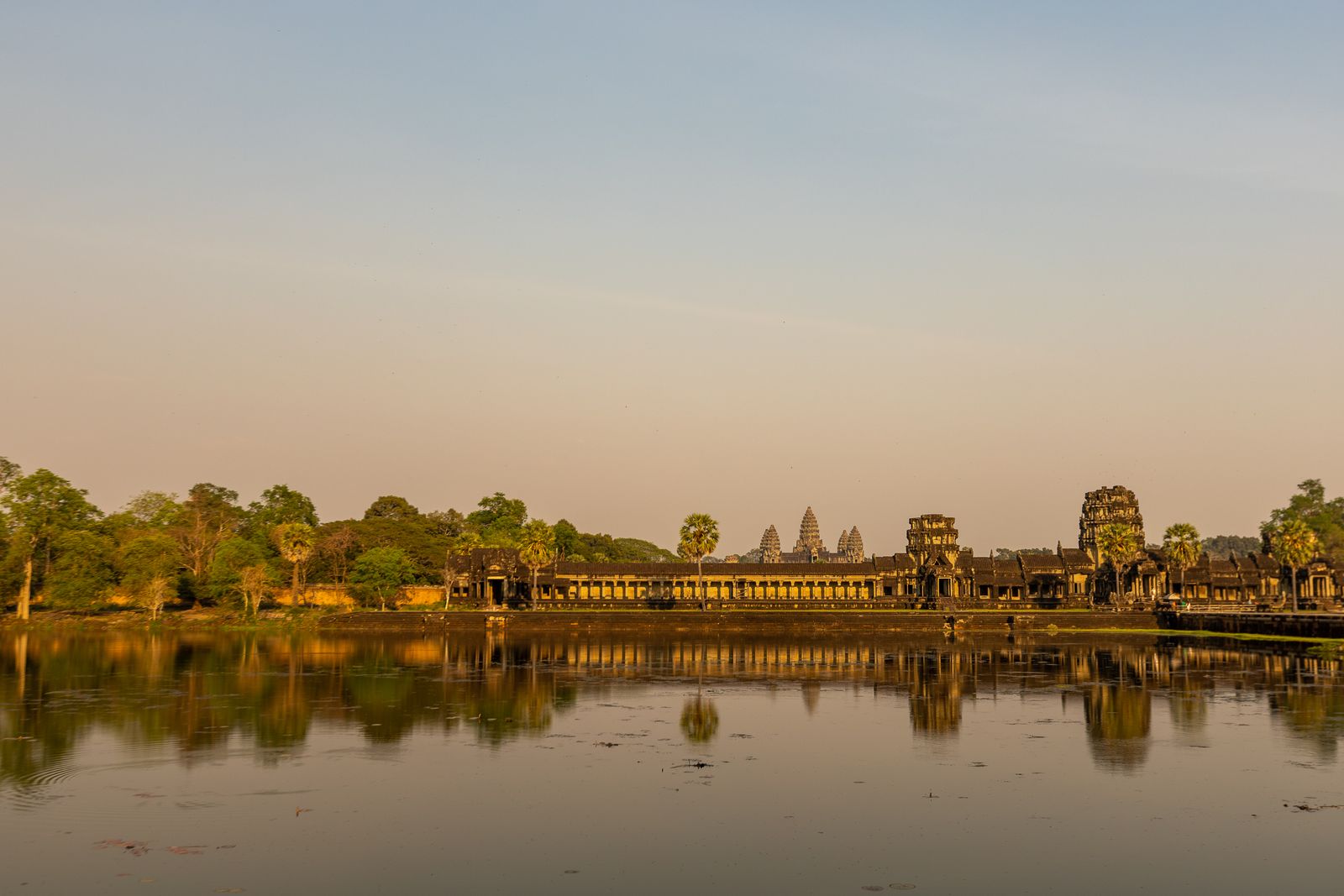
November to February (best). The rains have ended, the moats and ponds are still full — which means the classic sunrise reflection is at its best — and early mornings can feel almost cool. This is peak season, so book rooms and good guides early, and expect the biggest crowds at Angkor Wat itself at dawn, especially around Christmas, New Year and Chinese New Year.
March to May (hot). Temperatures climb hard, and temple days become an exercise in shade management: start at dawn, rest through midday, return late afternoon. The reward is thinner crowds and lower hotel prices. If this is your window, it is still a good trip — just plan the day around the heat, not against it.
June to October (green season). Rain usually arrives as heavy afternoon showers rather than all-day washouts. The jungle around Ta Prohm is at its greenest, the crowds are at their smallest, and moody skies make for dramatic photography. Mornings are often dry; build your temple days early and keep afternoons flexible. Our month-by-month seasonal context is in Cambodia in November for the season changeover.
One day is a highlights run only: Angkor Wat at sunrise, Bayon and Ta Prohm, and you will feel the rush. Two days adds the grand circuit and an evening in town. Three days is the sweet spot for most people — the small circuit, the grand circuit, and a slower third day for Banteay Srei, a Tonle Sap floating village or a second, unhurried sunrise. Four or more days suits photographers and anyone pairing temples with cooking classes, countryside cycling or a side trip; at that point the 7-day pass ($72, any 7 days within 30) becomes the better-value ticket.
The pass costs $37 for 1 day, $62 for 3 days and $72 for 7 days. The 3-day pass can be used on any three days within a seven-day window, and the 7-day pass on any seven days within thirty — the days do not need to be consecutive, which is what makes a rest day in the middle painless. Buy only from Angkor Enterprise's official channels; our Angkor Pass guide lists the valid places and the late-afternoon trick that stretches a pass by an evening. Children under 12 enter free with proof of age.
Day one: sunrise at Angkor Wat, then the small circuit (Ta Prohm, Ta Keo, Banteay Kdei) before the heat. Day two: the grand circuit — Preah Khan, Neak Pean, East Mebon — with a long lunch and pool break. Day three: Banteay Srei in the morning light, then choose your own finale: a floating village, the Angkor National Museum, or sunrise once more now that you know the ground. If you only have three days in the whole country, our 3-day Cambodia itinerary shows how to split them; with a week, use the 7-day itinerary.
Sunrise at Angkor Wat is the one experience everyone plans, and the season changes how to play it. In the dry months, arrive in the dark, take the classic reflection position by the north pond early, and accept company — half of Siem Reap has the same idea, and the shared hush as the towers pink is part of it. In the green season, check the sky the evening before and be ready to swap sunrise for the quieter late-afternoon light if the clouds are thick. In the hot months, sunrise is not just prettier, it is strategic: the two hours after dawn are the only truly comfortable temple hours of the day. Whenever you go, buy the pass the day before (the pass guide's late-afternoon trick applies), agree your tuk-tuk pickup the night before, and carry water — the causeway is longer than it looks at 5am.
Planning a December trip specifically? Cambodia in December 2026 covers crowds, prices and what to book early.
Month by month, the peak of the season is covered in Cambodia in January — the best temple weather of the year, with the crowds planned for.
December and January offer the coolest, driest weather and the most reliable sunrises. November is a close second, with fuller ponds from the rainy season and slightly smaller crowds early in the month.
Yes. Rain usually falls in short afternoon bursts, mornings are often clear, the jungle is vivid and crowds are much smaller. Bring a dry bag for your camera and phone — our buy-before-you-fly list covers the gear that earns its place.
$37 for 1 day, $62 for 3 days (any 3 days within a week) and $72 for 7 days (any 7 days within 30 days). Buy from official Angkor Enterprise channels only.
Pass prices and validity rules checked October 2026 against the site's Angkor Pass guide. Prices can change — confirm at purchase.
One short email a week with what actually changed on the ground — no fluff, no spam.
Free forever · One email a week · Unsubscribe anytime
Visa rule changes, the best travel deals we find, and new guides — once a week, no spam.
Free forever · Unsubscribe anytime
 Wander Cambodia