Last updated: November 3, 2026 · By Wander Cambodia
 By Sophea Khim · Host & Editor, Wander Cambodia
Direct answer: Use both. In Cambodia, hotels, tours and bigger purchases are usually priced in US dollars, while tuk-tuks, markets and small purchases run on Cambodian riel — carry dollars for larger payments and a pocket of riel for everything small. The working rate is around 4,000 riel to $1, so change for a dollar purchase usually comes back in riel. ATMs mainly dispense dollars and charge a local fee of roughly $4–6 per withdrawal. Bakong is Cambodia's national payment system behind the KHQR codes you will see everywhere; visitors can pay by QR with the Bakong Tourist App without a Cambodian bank account — but cash works everywhere, so QR is a convenience, never a requirement.
The short version above is genuinely all most visitors need. Below: the bill-condition trap that catches everyone once, how to keep ATM fees down, and the one rule about leftover riel. The full guide is money in Cambodia.
Cambodia runs a dual-currency economy in daily life, and after a day it feels natural. Prices above a few dollars are quoted in dollars; prices below that are quoted in riel, and many places quote both. You can pay a $7 bill with a $10 note and receive the change in riel at roughly 4,000 to the dollar — that handful of riel then becomes your tuk-tuk and market money. Small notes matter more than big ones: a pocket of 1,000, 5,000 and 10,000 riel notes plus a few $1 and $5 bills will get you through a day anywhere in the country, while a wallet of $100 bills will strand you at stalls that cannot break them. Dollars also remain the currency of the bigger machinery of a trip — visa fees, the Angkor Pass, most hotel bills and intercity transport.
US dollars in Cambodia must be in good condition, and this is enforced socially, everywhere, without exception. A torn, taped, heavily written-on or very old bill is routinely refused — by market sellers, hotels, and even at official counters — because the person you hand it to may not be able to pass it on. Bring crisp, clean, newer bills from home. Then check every dollar you are given in change, at the till, and politely ask to swap a damaged note on the spot rather than discovering it at the next stall. The $2 bill is a partial exception to every rule — it is considered lucky and is accepted happily — but do not rely on finding one in change. If a bill of yours is refused, banks and money changers in the cities will sometimes exchange damaged notes for a small discount; a refused bill is an annoyance, not a total loss.
ATMs are plentiful in cities and tourist towns and scarce in the countryside, so withdraw before rural legs. Machines mainly dispense US dollars — often in $100 bills, which sends you straight back to the small-notes problem, so use machines that let you choose denominations or break the big notes at a hotel or supermarket. The local fee of roughly $4–6 is charged per withdrawal, on top of your home bank's charges, which is why fewer, larger withdrawals usually cost less. Decline the machine's own conversion offer and let your home bank convert; the ATM's rate is worse. Bakong and KHQR are the modern layer on top of all this: full Bakong is tied to a Cambodian bank account, which matters for people living here, while the Bakong Tourist App lets short-term visitors load funds and pay by QR at everything from cafés to market stalls. It is genuinely handy — and entirely optional, because the two-currency cash system above still works at every stall in the country. Cards, finally, are a bonus rather than a plan: accepted at larger hotels and restaurants in the cities, often with a 2–3% surcharge, and useless in most of the places you will eat best. Cash planning is also scam planning — the change games played with dual currencies are in our Cambodia scams list.
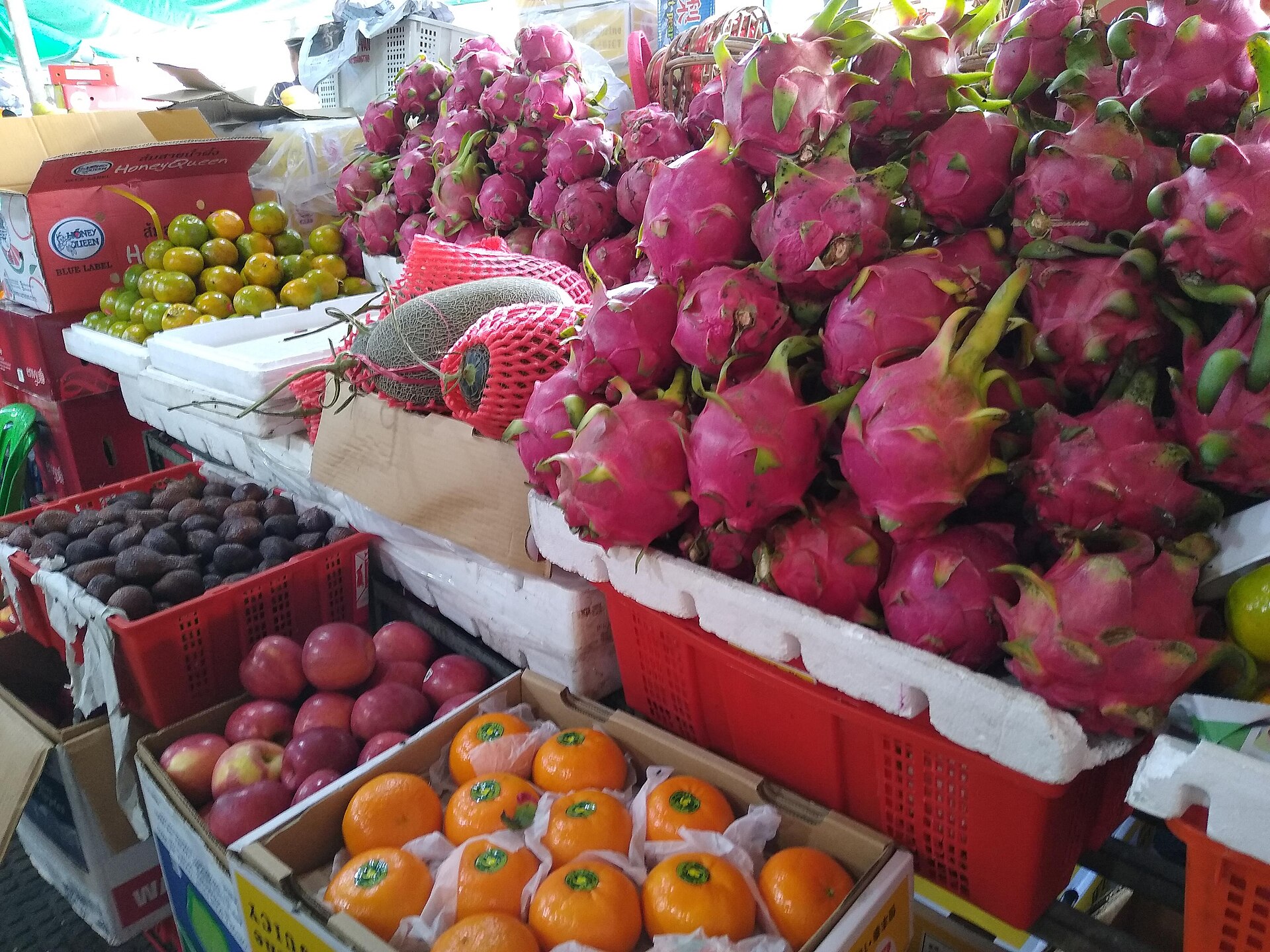
Watch the system run. You buy fruit priced at 6,000 riel and pay with a $5 bill: at the working rate the fruit is about $1.50, so you receive roughly $3.50 back — almost certainly as a mix, perhaps a $1 bill and 10,000 riel. The riel goes in your front pocket. The tuk-tuk home is quoted at 8,000 riel (about $2) and paid from that pocket without anyone hunting for change. Lunch is priced in dollars on the menu, the coffee in riel on the board, and by the end of the morning you have stopped converting consciously — which is exactly how residents live with it. Two habits make it fair: learn the 4,000-to-$1 anchor so a quote can be sanity-checked in either currency, and agree the price before the ride or the purchase, in whichever currency it was quoted. Most "change games" collapse the moment a traveller can do that one piece of maths out loud.
Almost — but you will overpay on small purchases and struggle for change. A pocket of riel makes tuk-tuks, markets and street food simple and fairly priced. You will accumulate riel in change whether you plan to or not; spend it as you go.
You do not need a big exchange. Change a small amount at a bank or money changer if you like, then let change do the rest. Never exchange at unofficial street rates far from ~4,000 to the dollar.
Spend it before you leave — last meals, transport, tips, small souvenirs. Riel cannot be usefully exchanged outside Cambodia. The full end-of-trip checklist is in the money guide.
Rates and fees checked November 2026 against the site's researched money material. The riel rate moves within a narrow band around 4,000 to the dollar; ATM fees vary by bank and are shown on screen before you confirm.
One short email a week with what actually changed on the ground — no fluff, no spam.
Free forever · One email a week · Unsubscribe anytime
Visa rule changes, the best travel deals we find, and new guides — once a week, no spam.
Free forever · Unsubscribe anytime
 Wander Cambodia