Last updated: November 24, 2026 · By Wander Cambodia
 By Sophea Khim · Host & Editor, Wander Cambodia
Every trip to Koh Rong runs through one short piece of water: the crossing from Sihanoukville, about 45 minutes by speed ferry, with a return fare around $25. It is a simple journey that trips people up in predictable ways — the wrong pier, the last boat missed, no cash for the island. This page is the plain version: how the crossing works, what it costs, and the four rules that make it boring, which is what you want a ferry to be.
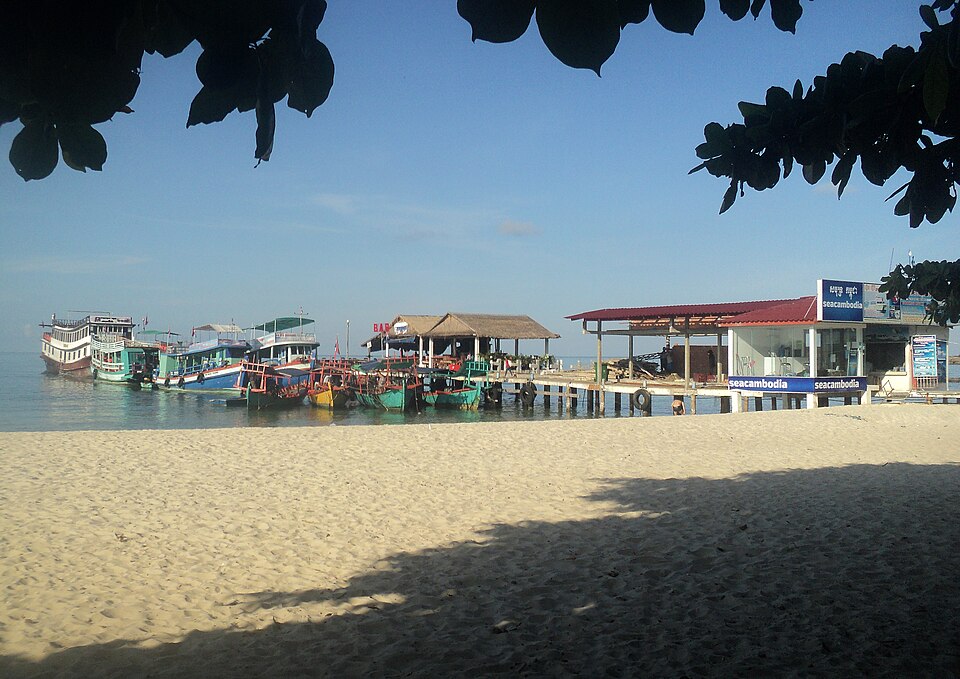
The boats. Several operators run speed ferries and speedboats between Sihanoukville and Koh Rong, most of them also serving Koh Rong Sanloem on the same circuit — check whether your boat stops there first, because it changes your arrival time. The fast boats do the crossing in about 45 minutes in fair weather; bigger, slower ferries take longer and ride steadier. Boats land at Koh Rong's main pier at Koh Toch, the village on the island's south coast where most guesthouses and the whole backpacker strip sit; some services also drop at other beaches, so confirm your landing pier against where you are sleeping before you book, not after you land — crossing the island to a far beach costs time and a boat or taxi-boat fare of its own.
Sihanoukville's waterfront has been rebuilt at speed in recent years, and the island ferries' departure points have moved with it. Old posts and old guidebooks name piers that no longer serve the island boats, and travellers still lose mornings to that. The rule that survives every rebuild: your booking names your pier. Book with the operator or a platform that confirms in writing, read the confirmation for the pier name and check-in point, and be there 30 minutes before departure with the confirmation on your phone. If you buy at the pier instead, buy at the pier you will actually leave from. Guesthouses in Sihanoukville sell tickets with transfers to the right jetty, which is worth the small markup on a first trip. Our Koh Rong islands guide covers what waits on the other side.
Book ahead in the dry-season peak — roughly December to February — and around Cambodian public holidays, when the islands fill with domestic travellers as well as international ones. Outside those windows, same-day tickets are usually available, but the departure you want is not guaranteed. Two scheduling rules matter more than the booking itself. First, never aim for the last ferry of the day when you are arriving in Sihanoukville the same day by road: the road legs into the city — from Kampot or down the expressway from Phnom Penh — run late often enough that the last boat is a gamble, and the price of losing is an unplanned night in Sihanoukville. Take a morning road departure and an afternoon boat. Second, on the way back, do not book a flight or a tight onward connection off an island morning: weather cancels boats, and a cancelled morning ferry is an inconvenience only if your day has slack in it.
The Gulf of Thailand is kind in the dry season and honest in the wet: crossings between roughly June and October can be rough, and boats do get cancelled when the sea is up. If you are prone to seasickness, take your tablet before boarding, sit mid-boat where the motion is least, and keep your eyes on the horizon rather than your phone. Keep valuables, documents and medication in the bag on your lap or in a dry bag — luggage holds on speedboats get wet, and spray over the bow is normal, not a malfunction. On safety, the plain version: established operators provide life jackets; wear one if the crew hands them out, and use your own judgement at the pier — a boat that is visibly overloaded, or leaving into weather the other companies are refusing, is a boat to skip. Wait for the next one. The island will still be there.
Koh Rong runs on cash. There is no ATM you should plan around, card payment reaches only the larger resorts, and the beach economy — boats, shacks, small guesthouses, motorbike hire — is dollars and riel in hand. So treat Sihanoukville as your cash stop: withdraw or exchange before the pier, in clean US dollar notes with a spread of small bills, and add a riel float for the small end of the day. The same logic closes the trip: keep enough cash back for the return-day costs on the mainland, because an island that has taken your last dollar leaves you negotiating at the jetty. Our money in Cambodia guide covers notes, change and the torn-dollar rule that catches people out on the islands most of all.
The point of the crossing is that it should disappear. Forty-five minutes, a pier you confirmed, a ticket booked before the peak-season rush, cash sorted on the mainland — and the journey becomes what it should be: the short blue gap between the coast road and the beach. Get those four things right and Koh Rong starts the moment you step off the boat.
About 45 minutes on the speed ferries in fair weather. Slower boats and bad weather stretch it, and boats that stop at Koh Rong Sanloem or other piers on the way take longer. Build your plans around the crossing being the best part of an hour, door to door, once boarding and the walk along the pier are counted.
Expect a return fare in the region of $25 with the main speed-ferry operators — that is the figure the operators themselves quote, and one-way tickets, where sold, run at a little over half the return. Prices move between seasons and operators, so treat any exact figure, including ours, as a guide and confirm it on the operator's own page when you book.
From the city's island-ferry piers — and this is the detail to check, because departure points in Sihanoukville have moved in recent years as the waterfront has been rebuilt. Your ticket or booking confirmation names the pier; arrive at that pier, not at the one in an old blog post, and if the booking does not name it clearly, ask the operator before you travel.
In the peak months, yes — the dry-season peak, roughly December to February, fills boats, and Cambodian public holidays fill them faster. Outside peak times you can usually buy at the pier or through your guesthouse, but booking ahead still buys you the departure time you actually want instead of the one that is left.
Do not count on one. Cash is the island's system: carry enough US dollars — clean notes, with small bills — for your stay, plus a riel float for small purchases. Cards are accepted by some larger resorts and useless at a beach shack, so the ferry is also your last reliable cash point: sort money in Sihanoukville, not on the island.
One short email a week with what actually changed on the ground — no fluff, no spam.
Free forever · One email a week · Unsubscribe anytime
Visa rule changes, the best travel deals we find, and new guides — once a week, no spam.
Free forever · Unsubscribe anytime
 Wander Cambodia